


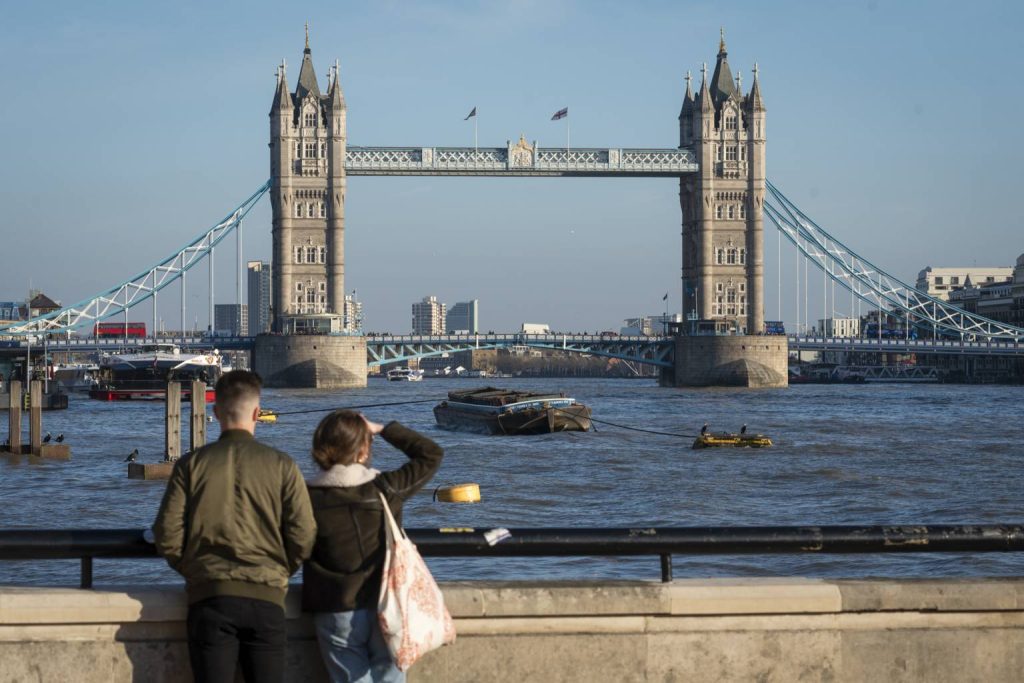
Europe continues to be one of the most alluring travel destinations in the world. Its diverse cultures, historic architecture, scenic landscapes, and rich culinary traditions attract millions of visitors each year. While many dream of strolling through Parisian streets, exploring Italian coastlines, or wandering ancient castles in Scotland, a common question arises for budget-conscious travelers: When is the cheapest time to go to Europe?
The answer depends on several factors—seasonal trends, regional weather patterns, demand fluctuations, and travel habits. Understanding these patterns helps travelers plan trips that align with their preferences, whether they want the lowest prices, fewer crowds, or mild weather.
This guide breaks down the best times of year to find more affordable travel options, along with practical insights on seasonal pros and cons, regional differences, and planning tips.
Understanding Europe’s Travel Seasons
Europe experiences clear travel seasons that influence pricing for flights, accommodations, and activities. These include:
High Season (June–August)
- Warmest weather
- School holidays across many countries
- Peak crowds
- Higher prices in major cities and coastal destinations
Summer is often the least budget-friendly period, especially in tourist hotspots like Italy, France, Spain, and Greece.
Shoulder Seasons (April–May and September–October)
- Milder temperatures
- More manageable crowds
- Moderate pricing
- Attractive landscapes (spring flowers, autumn colors)
Shoulder seasons strike a balance between good weather and lower demand.
Low Season (November–March, excluding Christmas and New Year)
- Cold weather in many regions
- Shorter daylight hours
- Fewer tourists
- Generally lower prices
Winter is often the most budget-friendly period, although some exceptions exist (e.g., ski resorts, holiday markets).
The Absolute Cheapest Time to Travel to Europe
Across most destinations, the cheapest time of the year to visit Europe is typically from mid-January to March. This post-holiday period tends to see lower travel demand, which results in more competitive pricing in many cities.
Why This Period Is Cheaper
- The holiday rush ends after New Year’s.
- Many travelers stay home due to winter weather.
- Tourism boards and attractions usually experience lower foot traffic.
Flights, hotels, and even local activities often see lower demand during this time.
Travel Considerations
- Expect cold weather in northern and central Europe.
- Reduced hours for some museums and attractions.
- Snow and icy conditions may impact transportation.
For travelers comfortable with winter chill, this season offers unique experiences—snowy villages, quiet cities, and cozy cafés.
Cheapest Time by Region
While January–March is consistently affordable, Europe is diverse, so the “cheapest time” can vary by region.
Western Europe (France, Germany, UK, Belgium, Netherlands)
The most budget-friendly period is:
- January–March
- November (after early fall tourism slows)
Areas with business travel (e.g., London, Frankfurt) may see fluctuations during weekdays, but weekends can be more affordable.
Southern Europe (Spain, Italy, Portugal, Greece)
These destinations often stay milder in winter, making them attractive for off-season travel.
Cheapest months include:
- November–March, excluding Christmas
- Early April, before Easter crowds
Southern Europe remains lively even in winter, especially in larger cities like Barcelona, Rome, or Lisbon.
Northern Europe (Norway, Sweden, Denmark, Finland, Iceland)
Winter may bring the lowest travel demand, except in areas popular for winter experiences.
Cheapest months:
- January–March
- Late October–November
However, northern countries can be more expensive year-round due to higher local living costs.
Eastern Europe (Poland, Hungary, Czechia, Romania, Bulgaria)
Eastern Europe is generally more budget-friendly across all seasons.
Most affordable periods:
- November–March
- Late September and early October
These destinations often provide a great combination of rich culture and moderate pricing.
Month-by-Month Breakdown: Europe Travel Affordability
To help plan more effectively, here is a month-by-month overview of what travelers can typically expect:
January
- One of the cheapest months
- Cold weather, minimal crowds
- A good time for cultural sightseeing and indoor attractions
February
- Similar to January, still budget-friendly
- Winter festivals in some regions (e.g., Venice Carnival may affect local pricing)
March
- Early spring shows slight pricing increases
- Good balance between affordability and improving weather
April
- Shoulder season begins
- More moderate pricing
- Popular spring destinations may begin to see rising demand
May
- Tourist numbers increase
- Prices rise slightly compared to April
- Pleasant weather across many regions
June–August
- High season
- Warm weather, long daylight hours
- Highest demand and increased prices
September
- Shoulder season returns
- Prices drop from summer highs
- Weather still warm in many areas
October
- One of the best value months
- Autumn scenery
- More relaxed atmosphere
November
- Early winter months start
- Affordable accommodations
- Shorter days and cooler temperatures
December
- Early December can be budget-friendly
- Prices increase during Christmas and New Year
- Holiday markets attract many visitors
How Weather Affects Travel Pricing
Weather patterns strongly influence demand across Europe.
Warm Months = Higher Demand
Locations like southern Italy, Croatia, or the Greek islands peak during summer due to beach tourism.
Cold Months = Lower Demand
Central and northern countries often see reduced crowds outside the Christmas period. For budget travelers who prefer indoor attractions, museums, or scenic winter landscapes, this period offers value.
Holiday Exception
Late December remains busy due to:
- Holiday markets
- Winter celebrations
- Increased family travel
Even during winter, major cities often experience price spikes around this time.
Pros and Cons of Visiting Europe During Its Cheapest Period
Understanding the advantages and disadvantages helps travelers decide if off-season travel fits their preferences.
Pros
- More affordable flights and accommodations
- Smaller crowds at major attractions
- Cozy winter atmospheres in many cities
- Opportunities to enjoy seasonal charms like snow or winter cafés
- Easier transportation access due to fewer tourists
Cons
- Shorter daylight hours
- Cold or unpredictable weather
- Limited hours for some outdoor attractions
- Seasonal closures in smaller towns or coastal regions
For many travelers, the trade-offs are worth it, especially when prioritizing budget and comfort over beach weather or summer festivals.
Tips for Planning an Affordable Trip to Europe
These general tips help travelers maximize their experience during low-cost travel months:
Be Flexible with Your Dates: Slight date changes—especially midweek departures—can sometimes align with lower demand periods.
Explore Alternative Cities: Smaller or lesser-known cities often maintain reasonable pricing throughout the year and provide authentic cultural experiences.
Consider Indoor Attractions: Winter is ideal for museums, art galleries, cafés, historic landmarks. These activities are not weather-dependent.
Layer Clothing: Winter travel is more comfortable when prepared for varying temperatures across regions.
Take Advantage of Early Planning: Some travelers monitor seasonal patterns and trends to choose months with historically lower prices.
Final Thoughts
The cheapest time to visit Europe typically falls between mid-January and March, with additional affordable periods in November and early December. While these months are colder and quieter than summer, they offer excellent opportunities for travelers seeking authentic experiences without the crowds.
Each region of Europe has its own seasonal rhythm, so the ideal time depends on preferred activities, weather tolerance, and travel goals. By understanding seasonal trends and planning ahead, travelers can enjoy a memorable European trip that combines affordability with rich cultural experiences.