


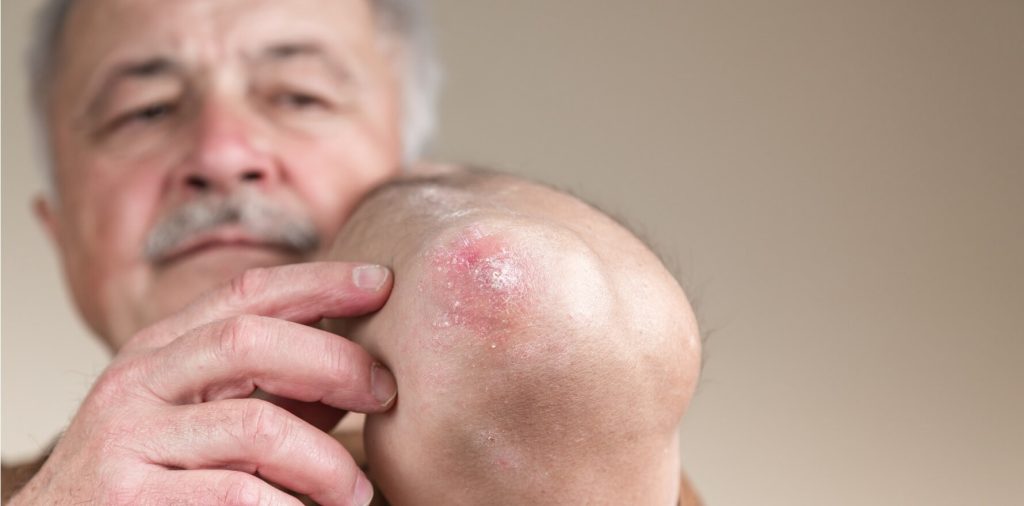
Skin rashes are a frequent concern among older adults. As the skin ages, it becomes thinner, drier, and more sensitive, making seniors more vulnerable to irritation, inflammation, and infections. While many rashes are mild and temporary, others may signal underlying health issues that deserve attention. Understanding skin rash in the elderly helps seniors, caregivers, and families recognize problems early and respond appropriately.
This article provides an educational overview of common causes of skin rashes in older adults, typical symptoms, general care strategies, and when to seek medical advice.
Why Skin Problems Are More Common in Older Adults
Aging affects the skin in several ways:
- Thinner skin with reduced elasticity
- Decreased oil and sweat production
- Slower healing
- Reduced immune response
- Increased sensitivity to medications and environmental factors
These changes make older adults more susceptible to dryness, irritation, and infections that can lead to rashes.
What Is a Skin Rash?
A skin rash is an area of irritated, inflamed, or abnormal skin. In elderly individuals, rashes may appear as:
- Red or pink patches
- Itchy or painful areas
- Dry, scaly skin
- Blisters or bumps
- Thickened or discolored skin
Rashes can develop suddenly or gradually and may affect one area or spread across the body.
Common Causes of Skin Rash in the Elderly
There are many possible causes of skin rashes in older adults. Some are relatively harmless, while others require medical evaluation.
Dry Skin (Xerosis)
Dry skin is one of the most common causes of itching and rash in seniors.
Why it happens
- Reduced natural oils
- Frequent bathing
- Low humidity
Common signs
- Flaky or rough skin
- Mild redness
- Persistent itching
Dry skin often worsens in winter or dry climates.
Contact Dermatitis
Contact dermatitis occurs when the skin reacts to an irritant or allergen.
Common triggers
- Soaps and detergents
- Lotions or fragrances
- Metals (such as nickel)
- Adhesives or medical tapes
Symptoms
- Redness
- Itching
- Swelling
- Rash limited to contact area
Avoiding the trigger is key to prevention.
Eczema (Atopic Dermatitis)
Eczema can persist into older age or develop later in life.
Features
- Dry, itchy patches
- Thickened skin from scratching
- Common on arms, legs, and hands
Flare-ups may be triggered by stress, allergens, or skin dryness.
Fungal Infections
Fungal rashes are common in warm, moist areas of the body.
Common locations
- Skin folds
- Groin
- Under breasts
- Feet (athlete’s foot)
Symptoms
- Red or darkened patches
- Itching or burning
- Scaling or cracking
Older adults with diabetes or limited mobility may be at higher risk.
Bacterial Infections
Bacterial skin infections can develop through small cuts or breaks in the skin.
Warning signs
- Redness spreading beyond the initial area
- Warmth
- Pain
- Swelling
Prompt medical evaluation is important to prevent complications.
Medication Reactions
Older adults often take multiple medications, increasing the risk of drug-related skin reactions.
Possible signs
- Sudden rash
- Itching
- Hives
- Skin discoloration
Any new rash that appears after starting a medication should be reported to a healthcare provider.
Shingles (Herpes Zoster)
Shingles is caused by reactivation of the chickenpox virus.
Typical features
- Pain or tingling before rash appears
- Rash on one side of the body
- Blisters that crust over
Shingles is more common in older adults and can be painful.
Pressure-Related Skin Irritation
Limited mobility can lead to skin irritation or breakdown.
Contributing factors
- Prolonged sitting or lying down
- Moisture
- Friction
Early skin care helps prevent more serious skin damage.
Allergic Reactions
Food, medications, or environmental allergens can cause rashes.
Symptoms may include
- Hives
- Itching
- Swelling
Identifying and avoiding allergens is essential.
Chronic Health Conditions
Certain health conditions may increase the risk of skin rashes.
Examples
- Diabetes
- Poor circulation
- Autoimmune conditions
Managing underlying health issues supports better skin health.
Common Symptoms That May Accompany Skin Rashes
In addition to visible skin changes, older adults may experience:
- Persistent itching
- Burning sensation
- Pain or tenderness
- Sleep disturbance
- Skin cracking or bleeding
Monitoring symptoms helps guide appropriate care.
When a Skin Rash Should Not Be Ignored
Seek medical advice if a rash:
- Appears suddenly and spreads quickly
- Is painful or blistering
- Shows signs of infection
- Does not improve with basic care
- Is accompanied by fever or fatigue
Early evaluation can prevent complications.
General Care Tips for Managing Skin Rash in the Elderly
While treatment depends on the cause, the following general measures can help support skin health.
Keep Skin Clean and Dry: Use gentle cleansers and avoid hot water, which can worsen dryness.
Moisturize Regularly: Applying fragrance-free moisturizers helps maintain the skin barrier. You should apply after bathing, use thick creams rather than lotions, and avoid products with alcohol or fragrance
Avoid Known Irritants: Switch to mild soaps; hypoallergenic laundry detergents; and loose, breathable clothing. You should reduce exposure can prevent flare-ups.
Prevent Scratching: Scratching can worsen rashes and increase infection risk. Strategies: Keep nails trimmed, use cool compresses, and wear soft fabrics
Maintain Good Hygiene in Skin Folds: Clean and dry skin folds carefully to reduce moisture buildup.
Review Medications: Discuss any new or ongoing skin issues with a healthcare provider, especially if medications have recently changed.
Support Overall Health: Healthy skin is linked to general well-being. Helpful habits: Stay hydrated, eat a balanced diet, manage chronic conditions, stay physically active.
Role of Caregivers and Family Members
Caregivers can help by:
- Monitoring skin changes
- Assisting with bathing and moisturizing
- Reporting concerns early
- Encouraging medical follow-up
Early intervention improves comfort and outcomes.
Preventing Skin Rashes in Older Adults
While not all rashes are preventable, risk can be reduced by:
- Gentle skin care routines
- Avoiding harsh products
- Wearing breathable clothing
- Managing moisture and friction
- Regular skin checks
Consistency is key to prevention.
Living Comfortably With Sensitive Aging Skin
Skin sensitivity often increases with age, but proactive care can make a significant difference. Recognizing early signs of irritation and responding promptly helps prevent discomfort and complications.
Bottom Line
Skin rash in the elderly is a common issue with many possible causes—from simple dryness and contact irritation to infections and medication reactions. While many rashes are mild, persistent or severe symptoms should never be ignored.
With proper skin care, awareness, and timely medical advice, most skin rashes in older adults can be managed effectively, supporting comfort, dignity, and quality of life.
Disclaimer: This article is for educational purposes only and does not substitute professional medical advice. Always consult a qualified healthcare provider for diagnosis and treatment of skin conditions.