


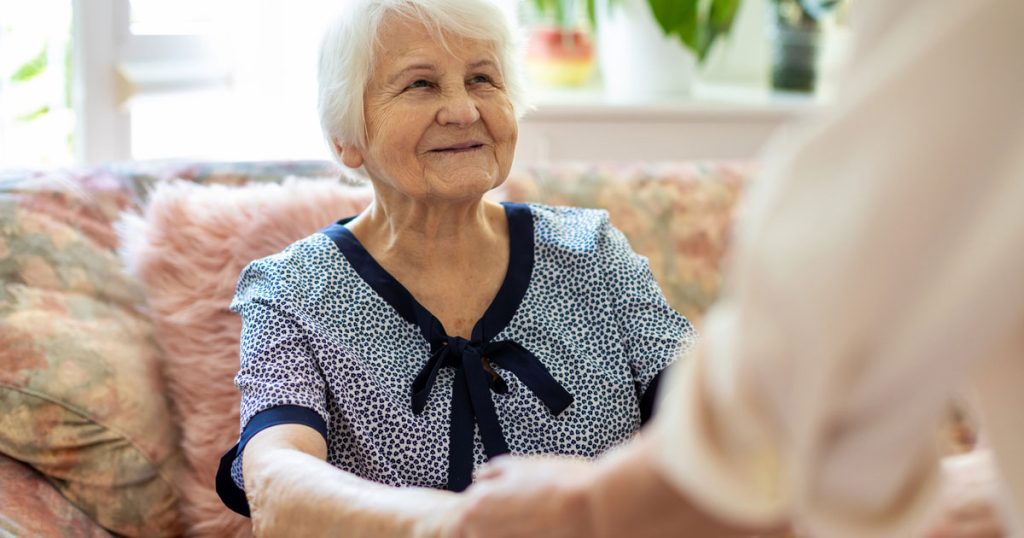
As people age, the risk of developing chronic and age-related health conditions increases. While aging itself is not a disease, natural changes in the body—such as slower metabolism, reduced immune response, and wear on organs and joints—can make older adults more vulnerable to certain illnesses. Understanding the most common diseases in the elderly helps seniors, caregivers, and families recognize symptoms early, manage conditions effectively, and maintain a better quality of life.
This article provides a clear, educational list of common elderly diseases, explains how they affect older adults, and outlines general care considerations.
Why Health Risks Increase With Age
As people grow older, several factors contribute to increased health risks:
- Gradual decline in organ function
- Weakened immune system
- Loss of muscle mass and bone density
- Slower healing and recovery
- Long-term exposure to lifestyle and environmental factors
These changes make early detection and proper management especially important for seniors.
Common Elderly Diseases and Health Conditions
Below is a list of health conditions that commonly affect older adults. Some are chronic, while others may develop suddenly or progress over time.
Arthritis
Arthritis is one of the most common conditions among seniors, particularly osteoarthritis.
Common symptoms
- Joint pain and stiffness
- Swelling
- Reduced range of motion
- Difficulty walking or gripping objects
Arthritis often affects the knees, hips, hands, and spine, impacting daily mobility.
Heart Disease
Heart disease remains a leading health concern for older adults.
Includes
- Coronary artery disease
- Heart failure
- Arrhythmias
Possible symptoms
- Chest discomfort
- Shortness of breath
- Fatigue
- Swelling in legs or feet
Risk increases with age, especially in individuals with high blood pressure or diabetes.
High Blood Pressure (Hypertension)
Hypertension often develops silently and becomes more common with age.
Why it matters
- Increases risk of heart attack and stroke
- May damage kidneys and eyes
- Often has no obvious symptoms
Regular blood pressure monitoring is essential for seniors.
Diabetes (Type 2)
Type 2 diabetes is common among older adults due to insulin resistance and lifestyle factors.
Common signs
- Increased thirst
- Frequent urination
- Fatigue
- Slow wound healing
Diabetes requires ongoing management to prevent complications.
Osteoporosis
Osteoporosis causes bones to become weak and brittle, increasing fracture risk.
Who is most affected
- Older adults
- Postmenopausal women
- Individuals with low calcium intake
Fractures from falls can lead to serious mobility and independence issues.
Alzheimer’s Disease and Dementia
Cognitive decline becomes more common with advanced age.
Early symptoms
- Memory loss
- Confusion
- Difficulty with daily tasks
- Changes in behavior
Early diagnosis allows better planning and support.
Parkinson’s Disease
Parkinson’s disease affects movement and coordination.
Symptoms may include
- Tremors
- Muscle stiffness
- Slowed movement
- Balance problems
While it typically develops later in life, progression varies by individual.
Stroke
A stroke occurs when blood flow to the brain is disrupted.
Warning signs
- Sudden weakness or numbness
- Trouble speaking
- Vision problems
- Dizziness
Quick medical response is critical to minimize long-term damage.
Chronic Obstructive Pulmonary Disease (COPD)
COPD includes conditions such as chronic bronchitis and emphysema.
Common symptoms
- Persistent cough
- Shortness of breath
- Wheezing
- Reduced exercise tolerance
Smoking history is a major risk factor.
Chronic Kidney Disease
Kidney function often declines with age, especially in people with diabetes or hypertension.
Possible signs
- Fatigue
- Swelling
- Changes in urination
- High blood pressure
Early management helps slow disease progression.
Vision Problems
Age-related vision conditions are very common.
Includes
- Cataracts
- Glaucoma
- Age-related macular degeneration
Vision loss can increase fall risk and reduce independence.
Hearing Loss
Hearing loss affects many older adults and often develops gradually.
Effects
- Difficulty understanding speech
- Social withdrawal
- Increased risk of cognitive decline
Hearing aids and regular screenings can improve quality of life.
Depression
Mental health conditions, including depression, are often underdiagnosed in seniors.
Contributing factors
- Chronic illness
- Isolation
- Loss of independence
- Bereavement
Depression is treatable at any age and should not be dismissed as normal aging.
Anxiety Disorders
Anxiety can occur alongside chronic illness or life changes.
Symptoms
- Excessive worry
- Sleep disturbances
- Restlessness
- Physical tension
Proper support and care can significantly improve well-being.
Incontinence
Bladder or bowel control problems are common among older adults.
Causes include
- Muscle weakness
- Nerve damage
- Certain medications
Incontinence affects quality of life but is often manageable with treatment.
Falls and Balance Disorders
Falls are a major health risk for seniors.
Risk factors
- Muscle weakness
- Poor vision
- Joint problems
- Medication side effects
Preventing falls is crucial for maintaining independence.
Sleep Disorders
Sleep patterns change with age.
Common issues
- Insomnia
- Sleep apnea
- Frequent nighttime awakenings
Poor sleep can worsen other health conditions.
Digestive Problems
Digestive issues may increase with age.
Examples
- Constipation
- Acid reflux
- Reduced appetite
Diet, hydration, and activity play important roles in digestive health.
Managing Multiple Chronic Conditions
Many seniors live with more than one health condition.
Challenges include
- Multiple medications
- Increased medical appointments
- Risk of drug interactions
Coordinated care and regular medical reviews are essential.
Importance of Preventive Care for Seniors
Preventive care helps manage or delay disease progression.
Key steps
- Regular health screenings
- Vaccinations
- Balanced nutrition
- Physical activity
- Mental health support
Early detection improves outcomes.
How Caregivers and Families Can Help
Support from family and caregivers makes a significant difference.
Helpful actions
- Encourage regular medical visits
- Watch for symptom changes
- Support medication management
- Promote social engagement
Emotional support is just as important as physical care.
Healthy Aging Is Possible
While many diseases are more common in older age, they are not inevitable. Lifestyle choices, early intervention, and consistent healthcare can help seniors remain active and independent longer.
Bottom Line
Understanding the common elderly diseases list helps seniors and their families recognize health risks early and take proactive steps toward better care. From arthritis and heart disease to cognitive decline and vision loss, many conditions can be managed effectively with the right medical support and lifestyle adjustments.
Aging brings challenges, but with awareness, prevention, and proper care, older adults can continue to live fulfilling, meaningful lives.
Disclaimer: This article is for educational purposes only and does not substitute professional medical advice. Always consult a qualified healthcare provider for health concerns or treatment decisions.